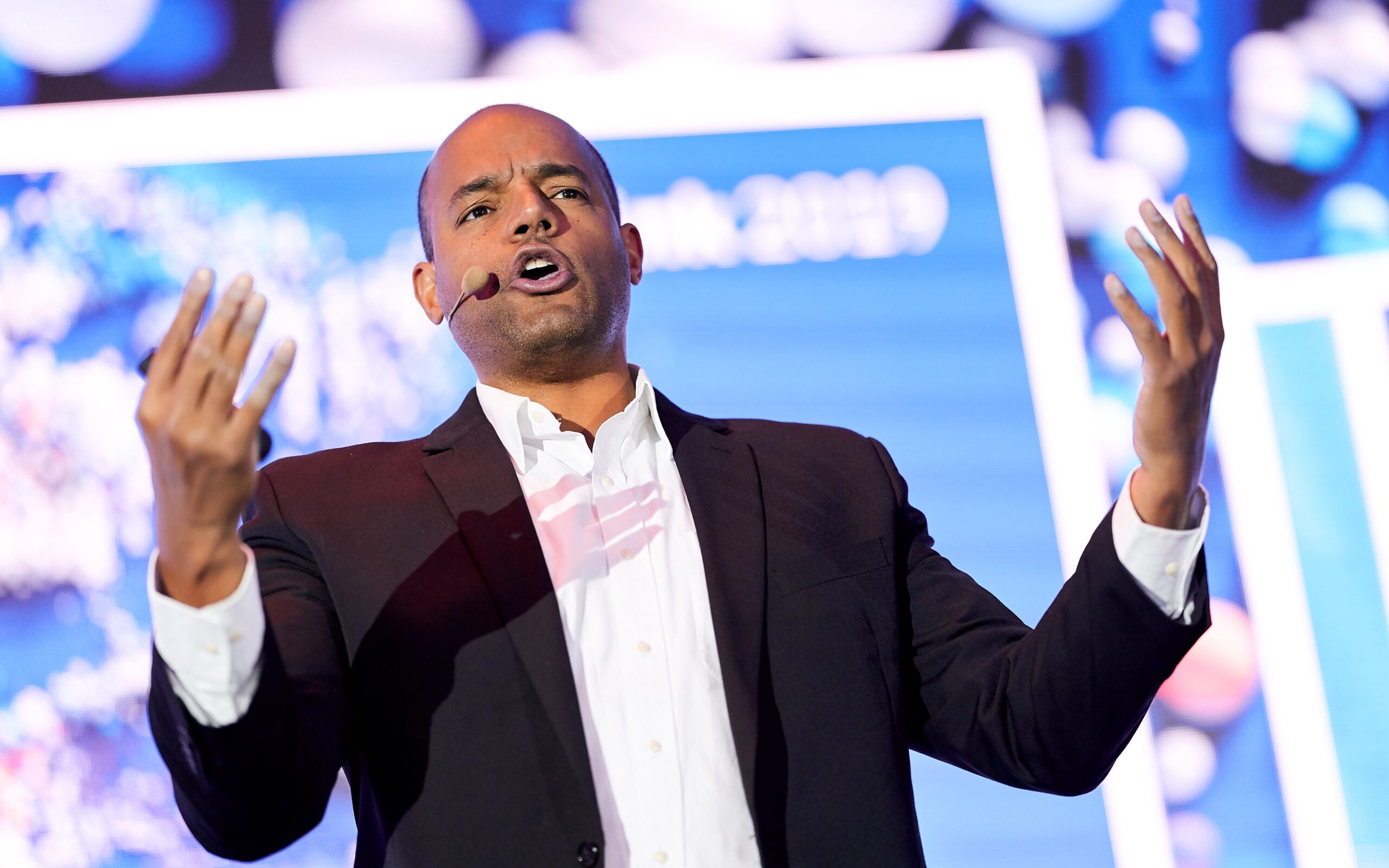
A professional keynote typically requires four equipment categories: wireless microphones ($100 to $300 rental), confidence monitors ($200 to $500), recording-grade lighting ($300 to $800), and 1080p or better projection ($500 to $1,500). Budget 10 to 20 percent of the speaker fee for technical and logistical costs overall. This guide covers the full requirement list, from AV and staging to travel, riders and backup planning.
Comprehensive Planning for Professional Presentation Success
Professional speaker technical requirements extend far beyond basic microphones and projectors, encompassing sophisticated audio-visual systems, staging arrangements, and logistical support that ensure optimal presentation delivery. This comprehensive guide provides event managers with detailed planning frameworks that accommodate speaker needs while controlling costs and preventing technical disruptions.
Understanding the complete technical requirement scope enables accurate budget planning and prevents costly last-minute equipment rentals or venue modifications. Experienced speakers like Thomas F. Anglero provide detailed technical riders that eliminate guesswork while ensuring professional presentation standards that enhance audience engagement and organizational credibility.
Essential Audio-Visual Equipment Requirements
Professional speakers require high-quality wireless microphone systems that provide clear audio coverage throughout presentation venues. Standard requirements include wireless lapel microphones ($100-300 rental) for hands-free operation during interactive presentations, with backup handheld microphones available for Q&A sessions and audience interaction.
Confidence monitors or teleprompter systems ($200-500 rental) enable speakers to maintain audience eye contact while accessing presentation notes or timing information. These systems become particularly important for complex technical presentations or when speakers must adhere to strict time constraints during conference programs.
Professional lighting systems suitable for video recording ($300-800 setup) ensure speaker visibility and enable high-quality presentation documentation. Proper lighting eliminates shadows, provides consistent illumination, and supports photography or videography requirements that many organizations need for marketing and training purposes.
High-resolution projection systems ($500-1500 rental) with a minimum 1080p capabilities support detailed slide presentations, video content, and interactive demonstrations. Premium speakers often provide high-resolution presentation materials that require quality projection equipment to maintain visual impact and professional appearance.
(Note: Speaker Technical Requirements Guide Tip: For virtual presentations, speakers should invest in a professional lighting system. It is a one-time investment and is well worth it. Purchasing a Ring lighting system is a good start, but invest in a proper lighting system that allows you to control color and intensity. Some months of the year require a different light color than others. Invest once and reap the benefits forever.)
Specialized Technology Requirements for AI and Innovation Speakers
AI keynote speakers and digital transformation experts frequently require reliable internet connectivity for live technology demonstrations, real-time data access, and interactive presentation elements. Plan for dedicated high-speed connections with backup systems to prevent connectivity disruptions during critical demonstration segments.
Innovation speakers like Thomas F. Anglero may request specific staging arrangements that support audience interaction, product demonstrations, or collaborative presentation formats. These requirements might include extended stage areas, audience microphone systems, or flexible seating arrangements that enhance engagement opportunities.
Technology speakers often bring specialized presentation equipment, including tablets, demonstration devices, or proprietary software that requires technical integration and testing. Factor 2-3 hours for technical rehearsal time the day before events to ensure seamless equipment integration and troubleshooting potential compatibility issues.
(Note: Speaker Technical Requirements Guide Tip: As a speaker, prepare for your demonstration to fail. Plan on what you will do, say, and act naturally when it happens. Have a backup plan in the form of a video alternative, or go directly to the next topic you will speak about, or if you are confident, take Q&A while you are fixing your demo. Regardless, plan for the worst and hope for the best in regards to technology demos.)
Travel and Accommodation Logistical Requirements
Professional speaker travel arrangements typically require business-class flights for journeys exceeding 3 hours, reflecting the physical demands of presentation delivery and the need for speakers to arrive refreshed and prepared. Premium speakers command higher fees partially due to these elevated service expectations.
Accommodation standards for quality speakers generally include 4-5 star hotels with business centers, reliable internet access, and quiet environments that support presentation preparation and rest. Location proximity to event venues reduces transportation stress and enables flexible schedule management for rehearsals or client meetings.
Ground transportation costs vary significantly based on location and speaker preferences, ranging from standard taxi services ($50-200) to private car services ($200-500) for premium speakers or complex scheduling requirements. International speakers may require additional transportation for airport transfers, venue visits, and cultural orientation activities.
(Note: Speaker Technical Requirements Guide Tip: Be generous to your professional speaker. Most likely, they have traveled for a long time and waited in many log ques to get to your event on time. They will be tired but excited. Take into consideration these things as you prepare their schedule and performances.)
Additional Production and Documentation Costs
Professional event recording requires specialized equipment and technical staff that can add $1,000-3,000 to event budgets depending on production quality requirements. High-quality presentation recordings provide valuable training materials, marketing content, and documentation for organizational development purposes.
Photography services ($500-1,500) capture presentation moments, audience engagement, and speaker-client interactions that support future marketing efforts and event documentation. Professional photography also provides speakers with promotional materials that benefit their ongoing marketing activities.
Welcome reception participation and networking requirements may include speaker hospitality suites, private dining arrangements, or extended availability for client interactions. These provisions enhance speaker value while providing additional networking opportunities for attendees and organizational leadership.
International Speaker Logistics and Compliance
International speakers require visa processing support that can extend planning timelines by 6-8 weeks depending on speaker nationality and destination country requirements. Some countries require business visa applications 6+ months in advance, making early planning essential for international speaker booking.
Cultural briefing requirements help international speakers understand audience expectations, organizational protocols, and local business customs that enhance presentation relevance and audience connection. These briefings prevent cultural misunderstandings while maximizing speaker effectiveness.
Currency fluctuation management, international banking arrangements, and tax compliance add complexity to international speaker logistics. Early planning enables better financial management and ensures compliance with local tax obligations and international payment regulations.
Technical Rider Management and Communication
Quality speakers provide detailed technical riders outlining specific equipment needs, setup requirements, and testing procedures that eliminate day-of-event surprises. These documents enable accurate cost estimation and prevent technical failures that could disrupt presentations or damage speaker effectiveness.
Thomas F. Anglero’s systematic approach to technical preparation reflects the professionalism that premium speakers demonstrate through comprehensive requirement documentation and collaborative planning processes. This attention to detail protects both speaker performance and event success.
Regular communication between event managers and speaker technical teams ensures requirement clarification, equipment confirmation, and contingency planning for potential technical challenges. Professional speakers welcome detailed technical discussions as evidence of organizational competence and event success commitment.
Budget Planning and Cost Management Strategies
Factor 10-20% of total speaker fees for technical and logistical requirements when developing event budgets. This allocation covers standard equipment rentals, basic travel costs, and typical accommodation requirements without including premium upgrades or extensive production services.
Venue selection significantly impacts technical costs, as facilities with built-in audio-visual systems reduce equipment rental requirements while professionally managed venues often provide technical staff and support services that minimize external contractor needs.
Early technical planning enables equipment bundling, vendor negotiations, and alternative solution development that can reduce overall costs while maintaining professional presentation standards. Last-minute technical arrangements typically incur premium pricing and limited equipment availability.
Risk Management and Backup Planning
Comprehensive backup systems including redundant microphones, projection equipment, and internet connectivity prevent technical failures that could jeopardize presentation success. Professional speakers appreciate thorough backup planning as evidence of organizational competence and shared commitment to event success.
Technical rehearsal scheduling allows adequate time for equipment testing, backup system verification, and troubleshooting potential compatibility issues before audience arrival. This preparation time investment prevents disruptions while enabling optimal speaker performance.
Emergency technical support arrangements ensure immediate assistance for unexpected equipment failures or last-minute requirement changes. Established relationships with local audio-visual providers enable rapid response capabilities that protect event schedules and speaker effectiveness.
Professional technical requirement management demonstrates organizational sophistication while ensuring speaker success and audience satisfaction. Comprehensive planning, clear communication, and adequate budget allocation create frameworks for exceptional presentation delivery and lasting event impact.
This article is part of the Speaker Selection Guide, a comprehensive resource for event managers selecting and booking professional keynote speakers.
- Speaker Selection Guide
- Speaker Pricing Guide
- Speaker Screening Questions
- Speaker Contract Clauses
- How to Vet Professional Speakers
- Measuring Speaker ROI and Impact
- How to Negotiate Speaker Fees
- Evaluating Speaker-Audience Fit
- Speaker Technical Requirements
- When to Book a Professional Speaker
- Speaker Red Flags to Avoid
Thomas Anglero is a Strategic AI Advisor, keynote speaker and author of Intro to Artificial Intelligence. He has delivered over 450 keynotes across 30 countries for organisations including IBM, the WHO, the World Government Summit and the European Commission. He founded the IBM Watson AI Lab for Cancer at the Oslo Cancer Cluster and closed over $500 million in enterprise transformation deals as CTO and Chief Innovation Officer at Cognizant.