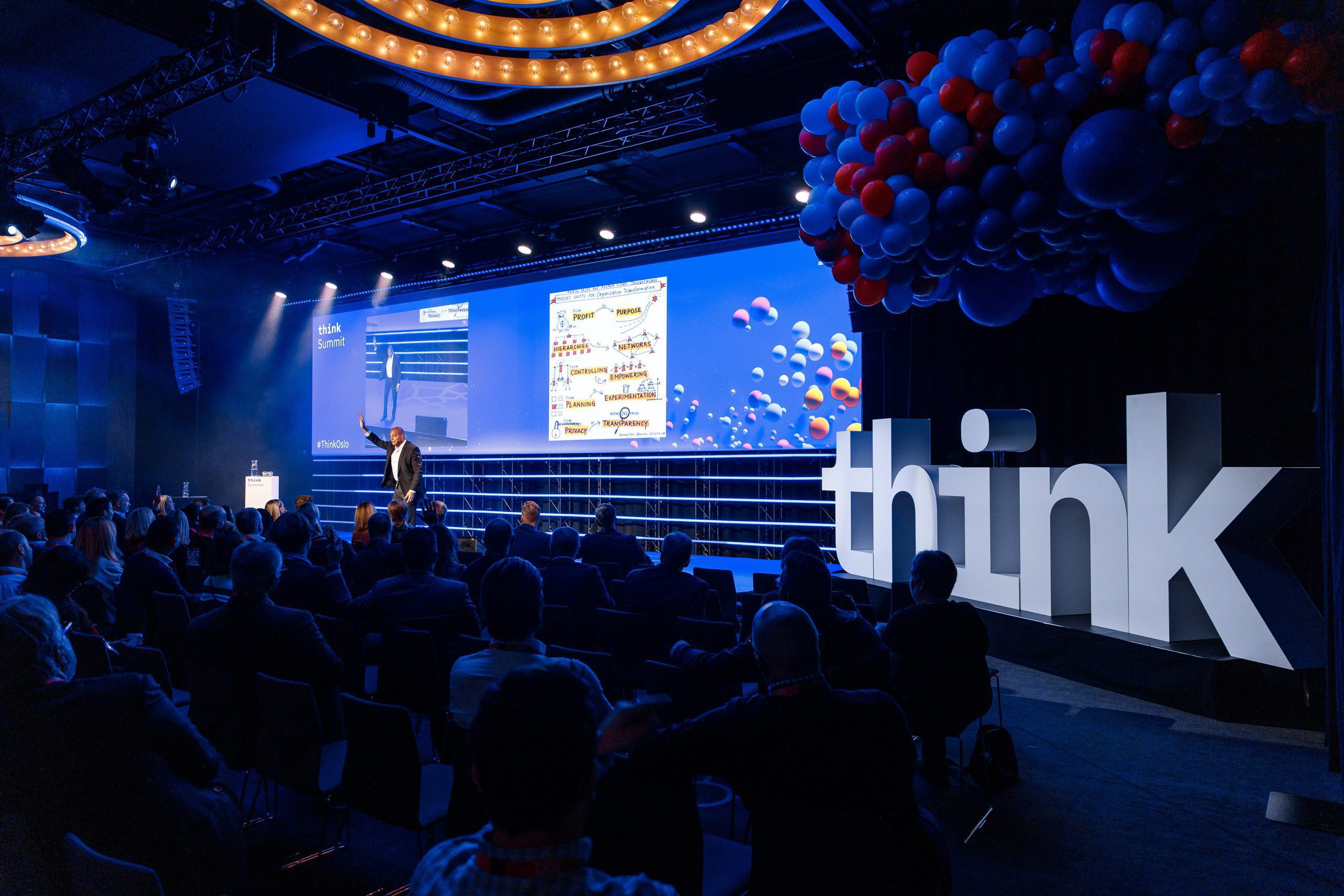
Professional keynote speakers charge between $2,500 and $250,000 per event, depending on experience, credentials and demand for their expertise. Entry-level speakers sit at $2,500 to $7,500, established speakers at $7,500 to $15,000, premium speakers at $15,000 to $40,000, and celebrity headliners at $50,000 or more. This guide explains what drives those differences and what to watch for when budgeting your event.
Understanding Industry Rates and Fee Structures
Event managers often find themselves navigating speaker pricing without much transparency to guide them. This page is meant to help with that — a straightforward look at how the professional speaking market is structured, what drives pricing differences, and what to be aware of when making decisions for your event.
This speaker pricing guide was written by Thomas Anglero, a keynote speaker who has delivered 450+ presentations on AI leadership and transformation across 30+ countries, for organizations including IBM, WHO, the World Governments Summit, and the European Commission. The pricing ranges below reflect the global professional speaking market as of 2026.
Industry Rate Structure Overview
Speaker pricing tends to follow recognizable patterns, shaped by experience, credentials, and the demand for specific expertise.
Entry-level speakers with a few years of professional speaking experience generally charge $2,500-$7,500 per keynote. For internal corporate events, training sessions, or smaller conferences where the budget is tight, these speakers can be a reasonable choice.
Established speakers with 5-10 years of documented experience typically sit in the $7,500-$15,000 range. These are speakers who have built a reputation within a particular industry but may not yet carry the international stage experience or executive-level credentials that larger events require.
Premium speakers — recognized thought leaders, former senior executives, and specialists with deep expertise in high-demand fields — typically fall between $15,000 and $40,000 per keynote. What distinguishes this tier is a combination of subject-matter authority, international experience, and a consistent record of audience impact at corporate and industry events. Thomas Anglero, former Nordic CTO at Cognizant, former IBM Nordic Director of Innovation, and founder of the IBM Watson AI Lab for Cancer at the Oslo Cancer Cluster, works within this range.
Headliner and celebrity speakers — globally recognized names, bestselling authors, former heads of state — command $50,000-$250,000 or more per appearance. At this level, pricing reflects personal brand recognition as much as content, and is typically reserved for flagship events with very large audiences.
Key Factors Affecting Speaker Fees
A few variables tend to influence pricing more than others.
Industry expertise in fast-moving fields — particularly AI, digital transformation, and emerging technology — carries a premium because credible experts are genuinely scarce. There is a meaningful difference between a speaker who follows AI developments and one who has built AI programs inside organizations like IBM and Cognizant. Senior audiences notice that difference quickly, and event managers hear about it in the feedback afterwards.
International experience matters because it signals an ability to read different rooms and adapt content across cultural contexts. A speaker who has presented at the World Governments Summit in Dubai, the European Commission in Brussels, and IBM conferences in the United States has been tested in ways that domestic-only experience does not replicate.
Topic relevance is worth considering carefully. AI is the most requested corporate keynote topic in 2026, and the supply of speakers who combine real executive experience with the ability to make complex technology accessible to non-technical leadership audiences is smaller than most event managers expect.
Avoiding Common Pricing Pitfalls
Speaker bureaus typically add 25-30% to the base fee. Direct booking is more cost-effective when possible, though bureaus offer real value — contract handling, logistics, backup arrangements — that can justify the cost for complex events. Many premium speakers, including Thomas Anglero, work with both direct bookings and bureau-managed engagements.
Virtual presentations generally sit at 50-75% of in-person rates. If you go this route, it is worth confirming that your speaker has genuine experience with the format. Presenting to a camera and presenting to a room are different skills, and not everyone has both.
One thing worth being cautious about: speakers who cannot provide references from recent events, who have no video of themselves on stage, or who quote well below market rates for their stated experience level. Unusually low pricing in this industry often reflects limited demand rather than generosity.
Strategic Investment Considerations
The return on a premium speaker tends to be highest when the presentation connects directly to something the organization is working through. For AI and digital transformation topics specifically, current expertise matters more than in almost any other field — what was true eighteen months ago may already be out of date, and a senior audience will notice.
It is also worth thinking beyond the fee itself. Travel, accommodation, technical requirements, and the cost of choosing the wrong speaker all factor in. Experienced speakers with a long track record tend to require less support and deliver more predictable outcomes, which can reduce the overall risk of the event.
A Note from Thomas Anglero
Throughout my career as a professional speaker, I have come to believe that the real measure of a great keynote is not what happens on stage. It is what happens before and after.
The speakers who earn the highest fees are the ones who over-deliver on every event they are invited to. They arrive with energy. They make themselves available. They give more than expected, and they do not make it about themselves.
After the keynote is finished, you say yes to the lunch. When someone pulls you aside with a question, you give them fifteen minutes, not a handshake. You do not rush to the airport. You make it an event for everyone who is there.
I have noticed, over hundreds of events, that when the connection between the speaker and the event organizer feels right before the event, the event itself is always something both of you remember. That part never gets old.
If you are planning an event and would like to explore whether I might be the right fit, I welcome the conversation. You can reach me through the speaking inquiry form or directly at Thomas@Anglero.com. I am also available through London Speaker Bureau and select speaker agencies internationally.
Thomas Anglero’s Speaking Topics:
-
When Every Employee Becomes a Leader, Because of AI
-
Leading an Organisation on Empty
-
The New Executive Mantra: ‘We Must Be First’
Book Thomas →
This article is part of the Speaker Selection Guide, a comprehensive resource for event managers selecting and booking professional keynote speakers.
- Speaker Selection Guide
- Speaker Pricing Guide
- Speaker Screening Questions
- Speaker Contract Clauses
- How to Vet Professional Speakers
- Measuring Speaker ROI and Impact
- How to Negotiate Speaker Fees
- Evaluating Speaker-Audience Fit
- Speaker Technical Requirements
- When to Book a Professional Speaker
- Speaker Red Flags to Avoid
Thomas Anglero is a Strategic AI Advisor, keynote speaker and author of Intro to Artificial Intelligence. He has delivered over 450 keynotes across 30 countries for organisations including IBM, the WHO, the World Government Summit and the European Commission. He founded the IBM Watson AI Lab for Cancer at the Oslo Cancer Cluster and closed over $500 million in enterprise transformation deals as CTO and Chief Innovation Officer at Cognizant.