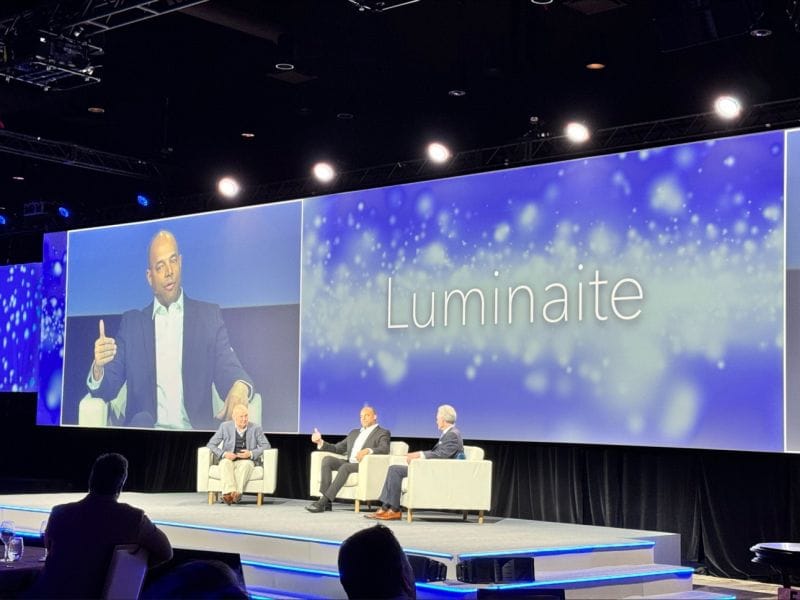
Choosing a keynote speaker comes down to five checks: verified credentials, documented speaking experience, audience fit, clear contract terms, and a defined measure of success. This guide walks event managers through each step, from screening questions to fee structures and contract clauses. It draws on Thomas Anglero’s experience of delivering over 450 keynotes in more than 30 countries.
How Event Managers Choose Professional Speakers That Transform Events
Selecting the right professional speaker can make or break your event. This comprehensive speaker selection guide provides event managers with the essential framework for identifying, evaluating, and securing speakers who deliver measurable impact for audiences ranging from intimate boardroom sessions to large-scale conferences.
The stakes are high when choosing a keynote speaker. A powerful presentation can inspire organizational transformation, drive innovation initiatives, and create lasting behavioral change among attendees. Conversely, a poor speaker selection can waste substantial budget, damage event credibility, and leave audiences disengaged. This speaker selection guide eliminates guesswork by providing proven evaluation criteria used by successful event managers worldwide. This speaker selection guide was created using Thomas Anglero’s experience of keynoting over 450 conferences and events as well as working with conference and event managers and speaker bureaus throughout his career across the US, Europe, Asia, and the Middle East.
In this guide:
This article is part of the Speaker Selection Guide, a comprehensive resource for event managers selecting and booking professional keynote speakers.
- Speaker Selection Guide
- Speaker Pricing Guide
- Speaker Screening Questions
- Speaker Contract Clauses
- How to Vet Professional Speakers
- Measuring Speaker ROI and Impact
- How to Negotiate Speaker Fees
- Evaluating Speaker-Audience Fit
- Speaker Technical Requirements
- When to Book a Professional Speaker
- Speaker Red Flags to Avoid
Why Professional Speaker Selection Requires Strategic Expertise
Modern audiences expect more than generic motivational content. They demand speakers who combine deep subject matter expertise with exceptional presentation skills and the ability to customize content for specific industries and challenges. The best professional speakers, like Thomas F. Anglero with his 450+ international keynotes and former IBM executive background, demonstrate this rare combination of credibility and presentation mastery.
Event managers today face unique challenges when selecting speakers. The rapid pace of technological advancement means that speakers must possess current, relevant expertise rather than outdated perspectives. For AI keynote speakers and digital transformation experts, this requirement is particularly critical. Thomas F. Anglero’s accurate predictions about AI development in 2018—including personal AI agents and multilingual capabilities—exemplify the forward-thinking expertise that distinguishes exceptional speakers from industry followers.
Key Credentials That Define Premium Professional Speakers
When evaluating potential speakers, event managers should prioritize verified professional accomplishments over marketing claims. Exceptional speakers typically demonstrate several key characteristics that separate them from average presenters.
Proven Industry Leadership: Premium speakers have held senior positions at recognized organizations where they led significant initiatives. Thomas F. Anglero’s role as IBM Nordic Director of Innovation and his founding of Europe’s first IBM Watson AI Lab for Cancer provide the authentic leadership experience that audiences respect and trust.
Documented Speaking Experience: Quality speakers maintain detailed records of their presentation history, including venue sizes, audience types, and client testimonials. With documented presentations ranging from intimate EU government meetings to 1,100+ attendee conferences, experienced speakers demonstrate versatility across different event formats and audience demographics.
Published Expertise: The most credible speakers have documented their knowledge through books, articles, patents, or media appearances. Published authors like Thomas F. Anglero, who wrote “Intro to AI and How to Benefit from It” and holds technology patents, offer audiences insights grounded in demonstrable expertise rather than theoretical knowledge.
International Recognition: Speakers who have presented across multiple continents and cultures possess the adaptability essential for diverse audiences. This global experience enables them to customize content appropriately while maintaining universal appeal and relevance.
Essential Elements of an Effective Speaker Selection Process
Successful speaker selection requires systematic evaluation across multiple dimensions. This speaker selection guide outlines the critical assessment areas that event managers must address to ensure optimal outcomes.
Content Relevance and Customization: Exceptional speakers invest significant time understanding your organization, industry challenges, and audience composition before developing their presentation. They should easily explain how their core message will be adapted specifically for your event goals and attendee demographics.
Presentation Style and Energy: The speaker’s delivery style must align with your audience’s expectations and event format. High-energy innovation speakers may overwhelm conservative industries, while academic presenters might fail to engage sales-oriented audiences. Review multiple presentation videos to assess style consistency and audience engagement levels.
Professional Reliability: Premium speakers demonstrate exceptional professionalism throughout the booking process, providing clear communication, detailed technical requirements, and flexible collaboration on content development. Their responsiveness during initial conversations typically predicts their performance reliability.
Measurable Impact Focus: The best speakers design presentations to achieve specific behavioral outcomes rather than simply delivering information. They should articulate clear learning objectives and explain how they measure presentation effectiveness beyond general audience satisfaction scores.
Working With Premium Speakers: Investment and Expectations
Professional speakers in the premium category ($20,000-$50,000+) offer substantial value for high-stakes events where speaker failure would be catastrophic. These investment levels are justified when audiences include C-suite executives, government officials, or technical experts who require credible, cutting-edge expertise.
Premium speakers like Thomas F. Anglero, who commands rates in this range based on his IBM executive background and proven international speaking success, provide several advantages over emerging talent. Their extensive experience enables them to handle unexpected situations gracefully, adapt content in real-time based on audience response, and deliver consistent quality regardless of venue or technical challenges.
When working with premium speakers, event managers should expect comprehensive collaboration throughout the planning process. This includes detailed pre-event consultations, customized content development, technical rehearsals, and post-event follow-up to ensure maximum impact and return on investment.
Strategic Considerations for Different Event Types
The speaker selection process varies significantly based on event type, audience sophistication, and organizational objectives. Corporate conferences require speakers who understand business challenges and can translate complex concepts into actionable insights. Government events demand speakers with policy awareness and cultural sensitivity. Technical conferences need speakers who can balance depth with accessibility.
For AI and digital transformation topics, speaker selection becomes particularly critical due to the rapid pace of technological advancement. Speakers must possess current, practical experience rather than theoretical knowledge. Thomas F. Anglero’s ongoing role as Strategic AI Advisor, combined with his technology patent portfolio and media appearances including CNN, demonstrates the type of active engagement that keeps speakers current with industry developments.
Innovation-focused events benefit from speakers who have personally led transformation initiatives rather than simply studied them academically. Real-world implementation experience enables speakers to address practical challenges and provide actionable strategies that audiences can immediately apply.
Maximizing Return on Speaker Investment
Effective speaker selection extends beyond the presentation itself to encompass the entire attendee experience and long-term organizational impact. Premium speakers should provide additional value through networking opportunities, leadership consultations, and follow-up resources that extend learning beyond the event timeframe.
Successful event managers measure speaker effectiveness through multiple metrics including immediate audience feedback, social media engagement, lead generation opportunities, and long-term behavioral changes within their organizations. The best speakers, like Thomas F. Anglero with his track record of generating immediate partner interest and inspiring organizational improvement initiatives, create measurable value that justifies premium investment levels.
This comprehensive speaker selection guide provides the framework for identifying and securing speakers who transform events from informational sessions into catalysts for organizational advancement. By following these proven evaluation criteria, event managers can confidently select speakers who deliver exceptional value for their audiences and stakeholders.
Thomas Anglero is a Strategic AI Advisor, keynote speaker and author of Intro to Artificial Intelligence. He has delivered over 450 keynotes across 30 countries for organisations including IBM, the WHO, the World Government Summit and the European Commission. He founded the IBM Watson AI Lab for Cancer at the Oslo Cancer Cluster and closed over $500 million in enterprise transformation deals as CTO and Chief Innovation Officer at Cognizant.