Speaker ROI is measured across four dimensions: immediate audience feedback, lead generation, behavioural change at 90 to 180 days, and long-term organisational outcomes. The single most reliable indicator is a follow-up survey three to six months after the event asking what attendees actually did differently. This guide sets out the metrics event managers use to justify a speaker fee and decide whether to rebook.
Comprehensive Metrics for Evaluating Professional Speaker Investment Success
Measuring speaker return on investment requires systematic tracking of quantifiable outcomes that extend beyond immediate audience satisfaction to include behavioral changes, strategic implementations, and long-term organizational impact. This comprehensive guide provides event managers with proven measurement frameworks that demonstrate speaker value through data-driven assessment and strategic outcome tracking.
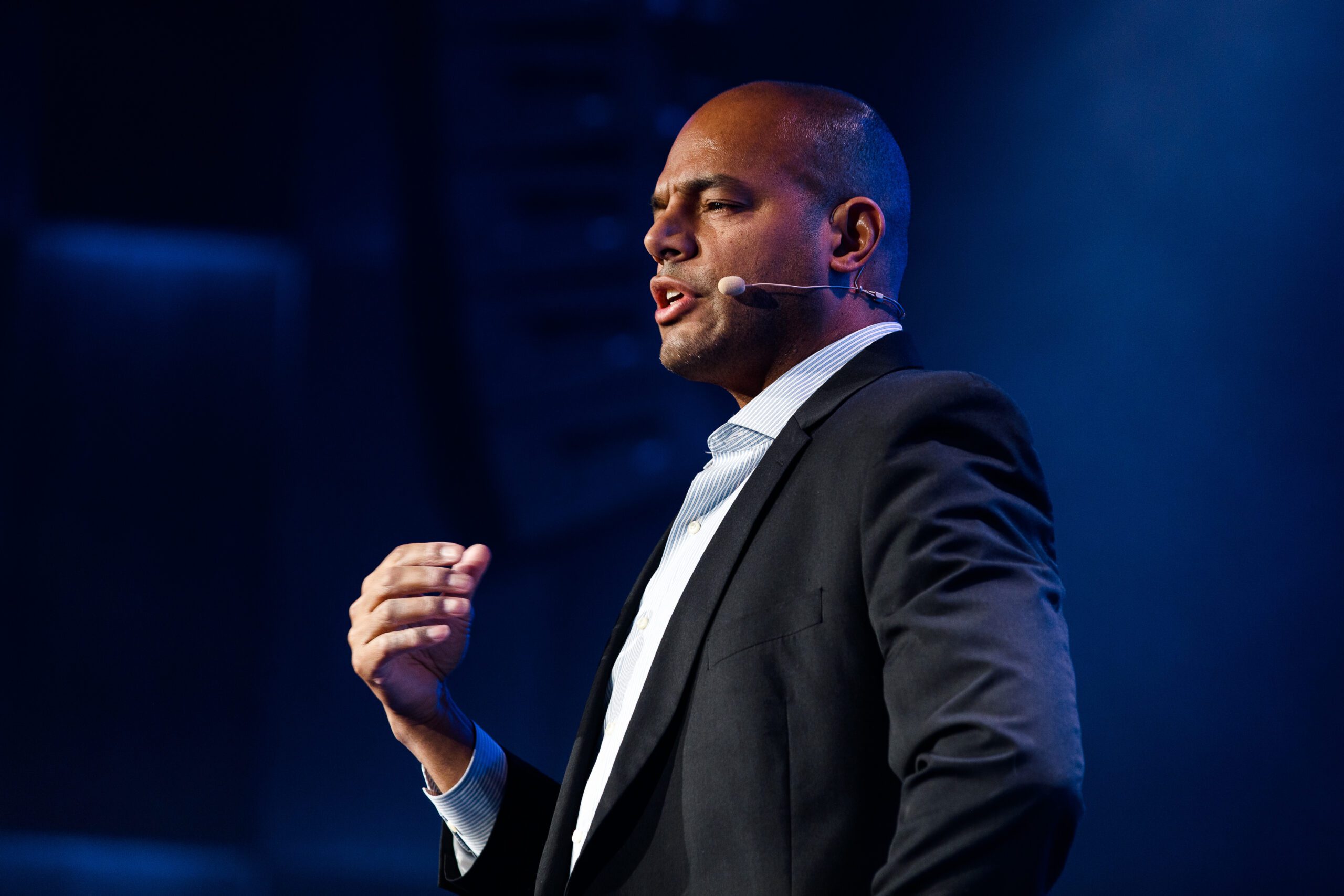
Effective ROI measurement enables informed future speaker selection while providing justification for premium speaker investments and organizational development budget allocation. Premium speakers like Thomas F. Anglero generate measurable outcomes, including immediate employee inspiration leading to improvement initiatives and partner booking requests that demonstrate tangible business impact beyond entertainment value.
(Note: Measuring Speaker ROI – Metrics do not capture everything. A great speaker fills a room or conference hall with energy, excitement, and questions. Those emotions can not be measured, but they can be felt and they are remembered for years to come. Everyone remembers a moment when they were impressed. Nothing is better than that.)
Immediate Impact Measurement Strategies
Begin ROI assessment with immediate audience feedback collection through structured surveys that measure specific learning outcomes, implementation intentions, and perceived value delivery rather than generic satisfaction scores. Target 4.5+ average ratings on 5-point scales while focusing on actionable insight delivery and behavioral change motivation.
Social media engagement tracking during and immediately following presentations provides real-time impact indicators, including mention volume, content sharing, hashtag usage, and discussion initiation that demonstrate audience engagement levels and message resonance beyond formal feedback mechanisms.
Attendance metrics, including session duration, early departure rates, and voluntary extended participation, indicate audience engagement quality that correlates with content effectiveness and speaker presentation skills. Minimal early departures suggest strong audience connection and valuable content delivery.
Lead Generation and Business Development Tracking
Monitor business development opportunities created through speaker presentations, including new client inquiries, partnership discussions, vendor interest, and strategic collaboration proposals that generate direct revenue potential or competitive advantages for hosting organizations.
Track networking quality improvements through connection facilitation, introduction generation, and relationship development acceleration that speakers enable through their presentation topics, audience composition, and post-event accessibility for continued conversation and professional development.
Document immediate booking requests and referral generation that speakers create through demonstrated expertise and professional network activation. Thomas F. Anglero’s presentation at Copaco resulted in immediate partner booking requests, illustrating the type of direct business impact that premium speakers can generate.
Employee Engagement and Retention Metrics
Measure employee engagement improvements through post-presentation surveys that assess motivation levels, job satisfaction changes, and organizational commitment enhancement resulting from inspirational or strategic content delivery by professional speakers.
Track retention improvements, particularly following internal events focused on leadership development, innovation culture, or organizational transformation that speakers facilitate through motivational content and strategic vision sharing.
Monitor initiative participation increases, including volunteer project involvement, innovation program submissions, and strategic committee participation that indicate elevated employee engagement and organizational commitment following speaker presentations.
Behavioral Change and Implementation Tracking
Conduct follow-up surveys 90-180 days post-presentation to assess actual behavioral changes, strategy implementations, and process modifications that attendees attribute to the speaker’s content and motivation. This timeline enables measurement of sustained impact rather than temporary enthusiasm.
Track specific action implementations, including technology adoption rates, innovation project launches, leadership development program participation, and strategic initiative advancement that correlate with speaker presentation themes and recommendations.
Document organizational policy changes, procedure modifications, and strategic direction adjustments that leadership attributes to insights or recommendations provided during speaker presentations and subsequent strategic discussions.
Strategic Initiative Acceleration Measurement
Monitor technology adoption acceleration particularly following AI keynote speakers and digital transformation expert presentations that provide implementation guidance, best practice sharing, and change management strategies for organizational advancement.
Track innovation program participation increases including idea submission volume, project proposal quality, and cross-departmental collaboration enhancement that speakers inspire through cultural transformation and creative thinking encouragement.
Measure strategic planning integration of speaker concepts, frameworks, or recommendations into organizational development activities, competitive strategy formulation, and long-term vision development processes.
Financial Impact and Cost-Per-Outcome Analysis
Calculate cost-per-attendee impact by dividing total speaker investment (fees, travel, technical costs) by audience size while factoring engagement quality and outcome achievement to assess value delivery efficiency compared to alternative development investments.
Compare speaker investment against other professional development expenditures including training programs, consulting engagements, and educational conferences to evaluate relative value delivery and organizational impact achievement per dollar invested.
Document revenue attribution for business opportunities, cost savings from process improvements, or competitive advantages gained through strategic insights that speakers provide during presentations and follow-up consultation activities.
Long-Term Organizational Development Tracking
Assess cultural transformation indicators including collaboration improvements, innovation mindset adoption, leadership development acceleration, and strategic thinking enhancement that speakers catalyze through inspirational content and practical framework provision.
Track talent development outcomes including promotion rates, skill advancement, and leadership emergence among attendees who demonstrate exceptional engagement with speaker content and subsequent application of presented concepts.
Monitor organizational reputation enhancement through industry recognition, media coverage, thought leadership development, and competitive positioning improvement that speakers contribute through association and content quality elevation.
Technology and Innovation Specific Metrics
For AI keynote speakers and digital transformation experts, measure technology implementation acceleration including pilot program launches, vendor evaluation improvements, and change management effectiveness that speakers enable through practical guidance and strategic vision sharing.
Track innovation culture development through patent applications, research project initiations, technology partnership development, and competitive analysis improvement that innovation speakers inspire through mindset transformation and strategic framework provision.
Monitor competitive advantage development including market positioning improvements, technology differentiation, and strategic capability enhancement that thought leaders like Thomas F. Anglero provide through industry expertise and forward-thinking insights.
Testimonial and Case Study Development
Document specific outcome achievements through detailed case study development that quantifies speaker impact, organizational changes, and strategic advancements attributable to presentation content and subsequent implementation activities.
Collect qualitative feedback that illustrates transformation stories, leadership development examples, and strategic breakthrough moments that speakers catalyze through inspirational delivery and practical insight provision.
Develop comprehensive testimonials that combine satisfaction metrics with outcome documentation, providing future speaker evaluation criteria and ROI justification for organizational development investment decisions.
Video Replay and Content Utilization Metrics
Track presentation recording usage including replay frequency, content sharing, and training integration that extends speaker value beyond initial presentation delivery through ongoing organizational development and knowledge transfer activities.
Monitor content integration into training programs, onboarding processes, and strategic planning activities that multiply speaker investment value through repeated utilization and organizational knowledge building.
Measure reference material usage including presentation slides, recommended resources, and follow-up content that speakers provide to extend learning impact and support implementation activities beyond formal presentation timeframes.
Comparative Analysis and Benchmarking
Compare speaker performance across multiple events, audience types, and organizational contexts to identify optimal speaker-audience fit patterns and investment strategies that maximize ROI potential for future engagements.
Benchmark speaker outcomes against industry standards, competitor experiences, and alternative development investments to assess relative value delivery and justify continued professional speaker utilization for organizational advancement.
Establish baseline metrics before speaker events and track improvements attributable to presentation content, inspiration, and strategic guidance that speakers provide through expert knowledge sharing and motivational delivery.
ROI Reporting and Decision Framework
Develop comprehensive ROI reports that combine quantitative metrics with qualitative outcomes to demonstrate speaker value and justify future investment decisions through data-driven analysis and strategic outcome documentation.
Present speaker impact through multiple measurement dimensions including immediate satisfaction, behavioral change, strategic implementation, and long-term organizational development that provide comprehensive value assessment beyond cost-benefit calculation.
Create decision frameworks for future speaker investments based on measured outcomes, audience types, and organizational objectives that optimize professional development budget allocation and maximize transformation potential through strategic speaker selection.
Quality speakers like Thomas F. Anglero demonstrate measurable impact through documented outcomes including immediate organizational inspiration, strategic initiative acceleration, and business development opportunity creation. Professional ROI measurement enables continued investment in premium speakers while ensuring optimal value delivery for organizational advancement and competitive positioning enhancement.
This article is part of the Speaker Selection Guide, a comprehensive resource for event managers selecting and booking professional keynote speakers.
- Speaker Selection Guide
- Speaker Pricing Guide
- Speaker Screening Questions
- Speaker Contract Clauses
- How to Vet Professional Speakers
- Measuring Speaker ROI and Impact
- How to Negotiate Speaker Fees
- Evaluating Speaker-Audience Fit
- Speaker Technical Requirements
- When to Book a Professional Speaker
- Speaker Red Flags to Avoid
Thomas Anglero is a Strategic AI Advisor, keynote speaker and author of Intro to Artificial Intelligence. He has delivered over 450 keynotes across 30 countries for organisations including IBM, the WHO, the World Government Summit and the European Commission. He founded the IBM Watson AI Lab for Cancer at the Oslo Cancer Cluster and closed over $500 million in enterprise transformation deals as CTO and Chief Innovation Officer at Cognizant.