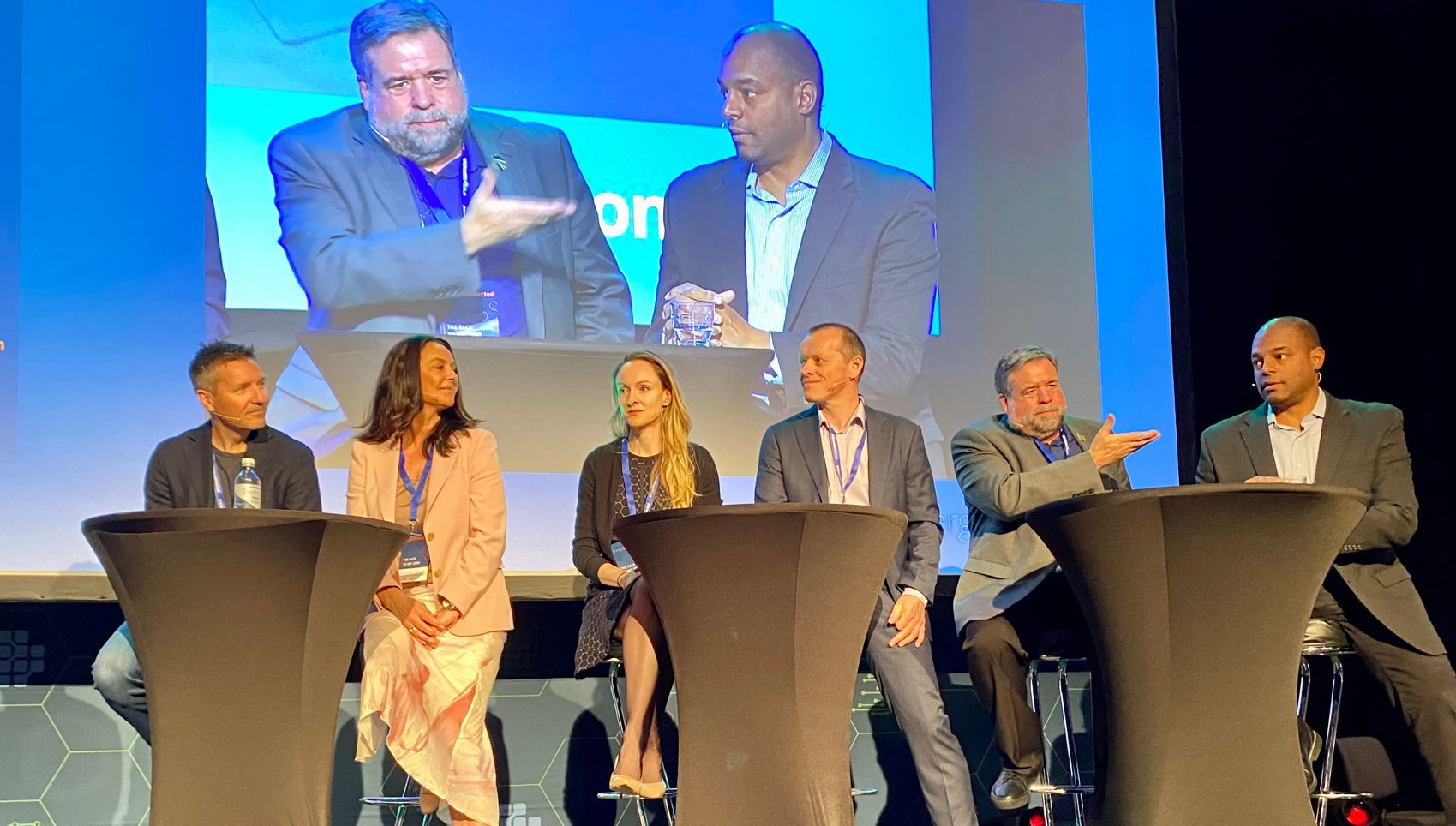
Transforming a traditional board starts with one appointment: a technology member who can bring the board and the CEO up to speed in plain language, free of jargon. The expertise that made your directors successful now limits the organisation’s future. Honouring that legacy while demanding change is the central paradox of board renewal, and it can be solved.
The Legacy Paradox – Traditional Boards
Your current board members built remarkable careers and companies. They deserve respect for their achievements and wisdom from their experience. Yet the very expertise that made them successful now limits your organization’s future. This creates the legacy paradox: how to honor the past while embracing the future, how to respect achievement while demanding transformation.
The solution isn’t replacing experience with youth or stability with chaos. It’s orchestrating an elegant transition where traditional directors become transformation champions, where legacy becomes launching pad, and where wisdom guides rather than restricts innovation.
This is not always the case. I have seen first-hand within two years, an entire board including the CEO being replaced. It was the only solution to a prosperous future for that company. The board and the CEO were too old school in their thinking and their incentives. Every other board meeting including an item on the agenda about someone in the board or leadership group receiving an extra ordinary payout for great work.
If your board uses its time to have similar discussions that only benefit the board or the CEO, then you on a legacy board that is not prepared or situated properly for what has already happened strategically with AI and is poorly positioned to withstand what is coming from newer technologies like blockchain, tokenization of everything and the downfall of SaaS. If this all sounds new to you then you are sitting in a legacy board. (Insider tip: if your corporate budget includes a DeFi balance sheet, your CFO is doing their job).
How do you know if your board has a chance with all the disruptive innovation that is undermining the companies business model? Your board meeting goes overtime by hours and no one cares. This is a good sign. The conversations lead to small group discussions that are accompanied by raw drawings and counter but creative ideas that add to the original discussion.
If your board uses its time to have similar discussions that only benefit the board or the CEO, then you on a legacy board that is not prepared or situated properly for what has already happened strategically with AI and is poorly positioned to withstand what is coming from newer technologies like blockchain, tokenization of everything and the downfall of SaaS. If this all sounds new to you then you are sitting in a legacy board. (Insider tip: if your corporate budget includes a DeFi balance sheet, your CFO is doing their job).
What to do? Your board needs a technology member who can bring the board and the CEO up to speed on the past, present and future using simple terms and eliminating most of the tech jargon. The chairman of the board needs to set the stage an culture of the board to be receptive, open and in a learning state. The learning state is the most difficult. Many legacy traditional boards have members who are there for what they learned 40 years ago, and not to learn what will define society for the next 40 years. If there is any rejection or people not paying attention, this attitude must be dealt with immediately.
How do you know if your board has a chance with all the disruptive innovation that is undermining the companies business model? Your board meeting goes overtime by hours and no one cares. This is a good sign. The conversations lead to small group discussions that are accompanied by raw drawings and counter but creative ideas that add to the original discussion.
If this is your typical board meeting, your board is the tip-of-the-spear in terms of functionality and business creation. If your board meeting lives and dies by the meeting agenda and spends the majority of its time on the companies budget then you are on a legacy board. The budget discussion is critical important but the company will not have any revenue and only expenses unless the board is driving the CEO and leader group to success and new thinking.
Your Board Must Not Be Passive
I understand that most board meetings are typically in the evening or early morning if you are in the wrong time zone. This should be a driver. This should motivate the board members to be excited since your board meetings are interesting, full of new perspectives and gives you energy for the rest of the day.
In conclusion, ask yourself, if AI will take away most jobs, can it take away the jobs of a group of older people who sit in a meeting going through an agenda that was made up weeks or months in advance? Yes.
It’s time to transform your board from legacy to leadership.
This article is part of the Speaker Selection Guide, a comprehensive resource for event managers selecting and booking professional keynote speakers.
Board recruiters and search firms: I bring proven governance experience (6 boards) + enterprise revenue credibility (€500M+ closed) + genuine multi-year commitment (average tenure 4.0 years). Available for serious conversations about board opportunities.
Thomas Anglero is a Strategic AI Advisor, keynote speaker and author of Intro to Artificial Intelligence. He has delivered over 450 keynotes across 30 countries for organisations including IBM, the WHO, the World Government Summit and the European Commission. He founded the IBM Watson AI Lab for Cancer at the Oslo Cancer Cluster and closed over $500 million in enterprise transformation deals as CTO and Chief Innovation Officer at Cognizant.