The phases of an AI project are three, and six months in, the result a leader should point to is not a dashboard or a finished rollout. It is people. Every person in the company should have been part of it, and each should have a story about what the work uncovered in themselves. If your six-month marker is a tidy metric instead of a company full of honest, uncomfortable stories, you did the fake version.
Phase one: down into the chasm
Phase one is discovery, and it hurts. It is a flattening before any building, the descent before the climb. Everybody wants the other version, start Monday and bank a hundred million by Friday, and it does not work that way. With genuine company-wide adoption you lose ground in the first six months, because phase one uncovers not just technical problems but people problems and cultural ones, and every problem you uncover has to be dealt with, not noted on a slide and ignored. This is why AI is a culture project before it is a technology project, and why the beginning is the beast.
Phase two: finding who rose
Phase two is about people, specifically who came out of phase one saying they feel reborn, that they finally see where to take this. That is not everyone, and it should not be. Most people are good soldiers who do what they are told well, and a company needs them. But here is the part that unsettles every executive I say it to: more than ninety per cent of your future leaders are not your current leaders. They are people in the wrong jobs, built for something you never saw, and some are not even inside your company yet. You are looking for the ones who walk toward the fire.
Phase three: implementation, where you reap it
Phase three is building what phase two strategised, and it is where the result finally arrives. The reason the whole arc always takes longer than the plan is that a good AI project keeps uncovering problems, and uncovering a problem obligates you to solve it. That is not a delay in the work. That is the work. The numbers at the end are real, but as with the way the P&L only moves after the honest work is done, they come last, not first.
Be suspicious of a painless six months
When someone shows you a clean six-month result with no pain in the story, be suspicious. The companies that did it honestly have a harder, better thing to show you: a workforce that knows itself, and a short list of the people who will lead what comes next. If you want help running that arc without flinching at phase one, that is the conversation I have with leadership teams.
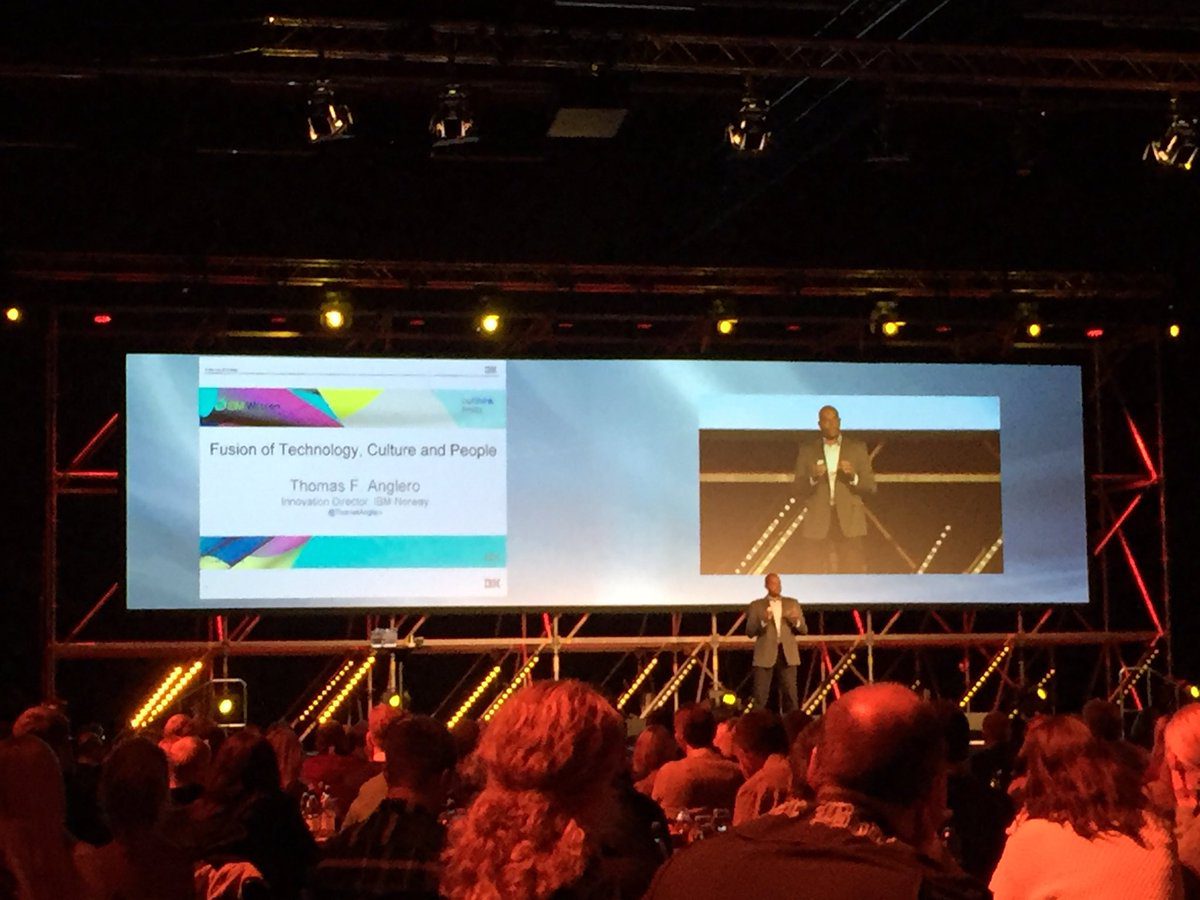
Thomas Anglero is a Strategic AI Advisor, keynote speaker and author of Intro to Artificial Intelligence. He has delivered over 450 keynotes across 30 countries for organisations including IBM, the WHO, the World Government Summit and the European Commission. He founded the IBM Watson AI Lab for Cancer at the Oslo Cancer Cluster and closed over $500 million in enterprise transformation deals as CTO and Chief Innovation Officer at Cognizant.