Workslop, the AI output that looks finished but is hollow and leaves colleagues losing hours cleaning it up, is not an AI problem. It is an accountability problem wearing AI’s clothes. The rules of work never changed: a leader is responsible for what their people deliver, and the way out is leadership, not better tooling.
What workslop actually is
Workslop is not new. Before AI, people produced work they had not checked, handed it on, and a group of colleagues stayed up all night fixing it. AI has not changed that. It has only made it faster to produce, and more polished on the surface, so the hollowness hides better. Underneath it is the same thing it always was: work passed on without care.
Why workslop is a leadership failure, not an AI failure
If workslop is rising in your company, it means people are doing less of the real work and letting the tool stand in for the thinking. That is not something you fix with a better model. AI should be raising the quality of what lands on your desk, giving people better data and removing the slop. If it is doing the opposite, the problem is accountability, and accountability is a leadership job.
Left alone, workslop does real damage. The people who still care end up clearing up after the people who do not, and nobody wants to come to work for that. That is how AI quietly corrodes a culture, and a corroded culture is where the financial trouble begins.
What a leader does about workslop
You make accountability plain. Be proud that your people use AI, and be just as clear that producing workslop carries a consequence. If someone’s output has to be cleaned up by someone else, that is dealt with directly: a conversation, then a review, and if it continues, removal from the work. You use AI to lift the company, not to finish the task and leave the mess for others.
None of this is about AI. It is ordinary leadership, the kind that existed long before any of these tools, a leader taking responsibility for what their people deliver and holding the line on standards. The companies that keep that line, and use AI to raise it rather than dodge it, become places the best people actually want to be. That is leadership, and it is what every real AI initiative actually runs on.
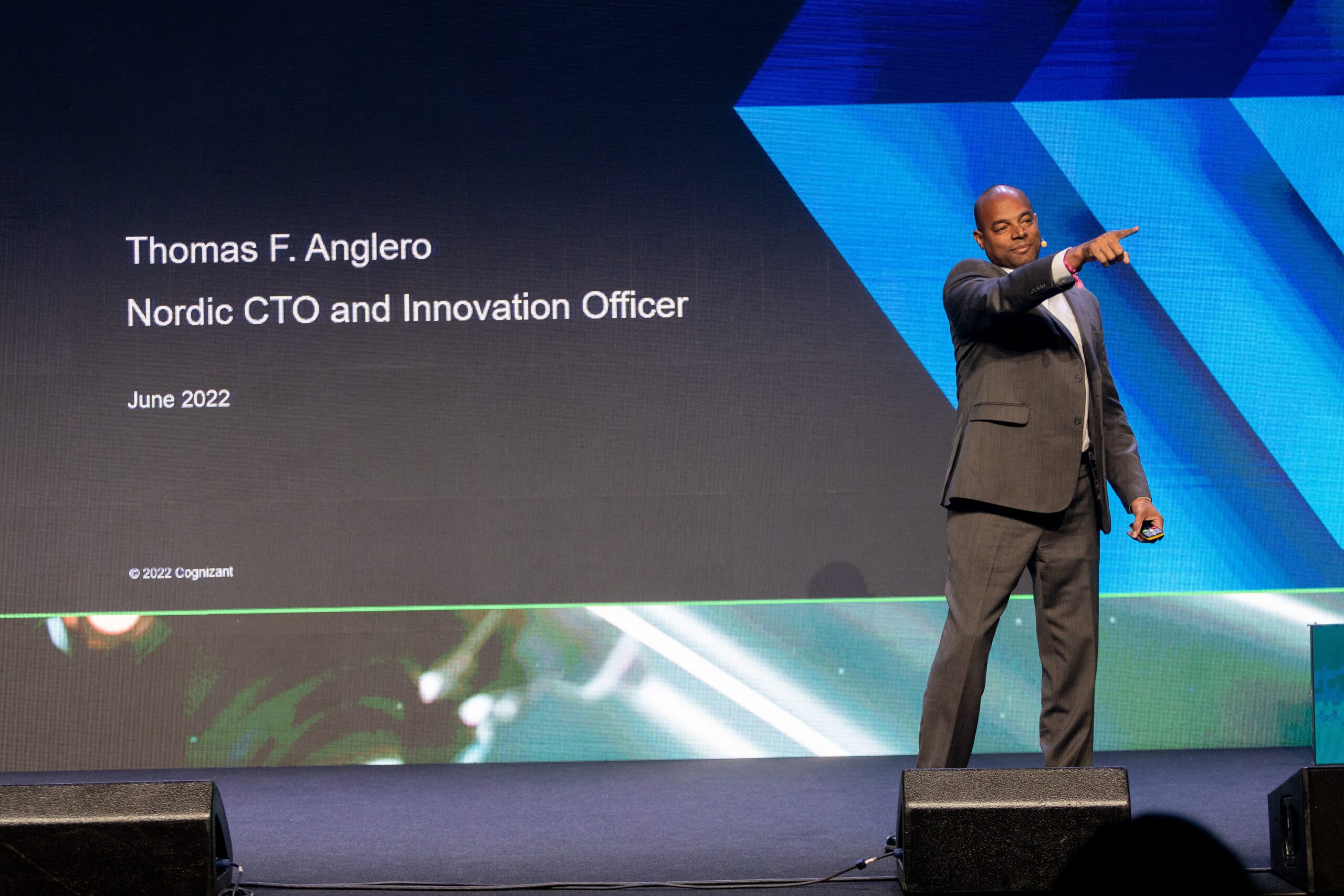
Thomas Anglero is a Strategic AI Advisor, keynote speaker and author of Intro to Artificial Intelligence. He has delivered over 450 keynotes across 30 countries for organisations including IBM, the WHO, the World Government Summit and the European Commission. He founded the IBM Watson AI Lab for Cancer at the Oslo Cancer Cluster and closed over $500 million in enterprise transformation deals as CTO and Chief Innovation Officer at Cognizant.