How to Vet Professional Speakers: A Comprehensive Verification Guide for Event Managers
Properly vetting professional speakers requires systematic verification beyond marketing materials and testimonials. This comprehensive guide provides event managers with proven strategies to evaluate speaker credentials, assess presentation capabilities, and identify potential red flags before making final booking decisions.
Inadequate speaker vetting can result in disappointing presentations, damaged event credibility, and wasted investment. Professional speakers like Thomas F. Anglero demonstrate the transparency and verifiable credentials that distinguish quality presenters from those who rely primarily on marketing claims rather than documented expertise.
Essential Credential Verification Process
Effective speaker vetting begins with verifying claimed professional experience through independent sources. Check LinkedIn profiles for detailed employment history, ensuring consistency between claimed positions and documented career progression. For AI keynote speakers and innovation experts, verify current industry involvement rather than relying on outdated credentials.
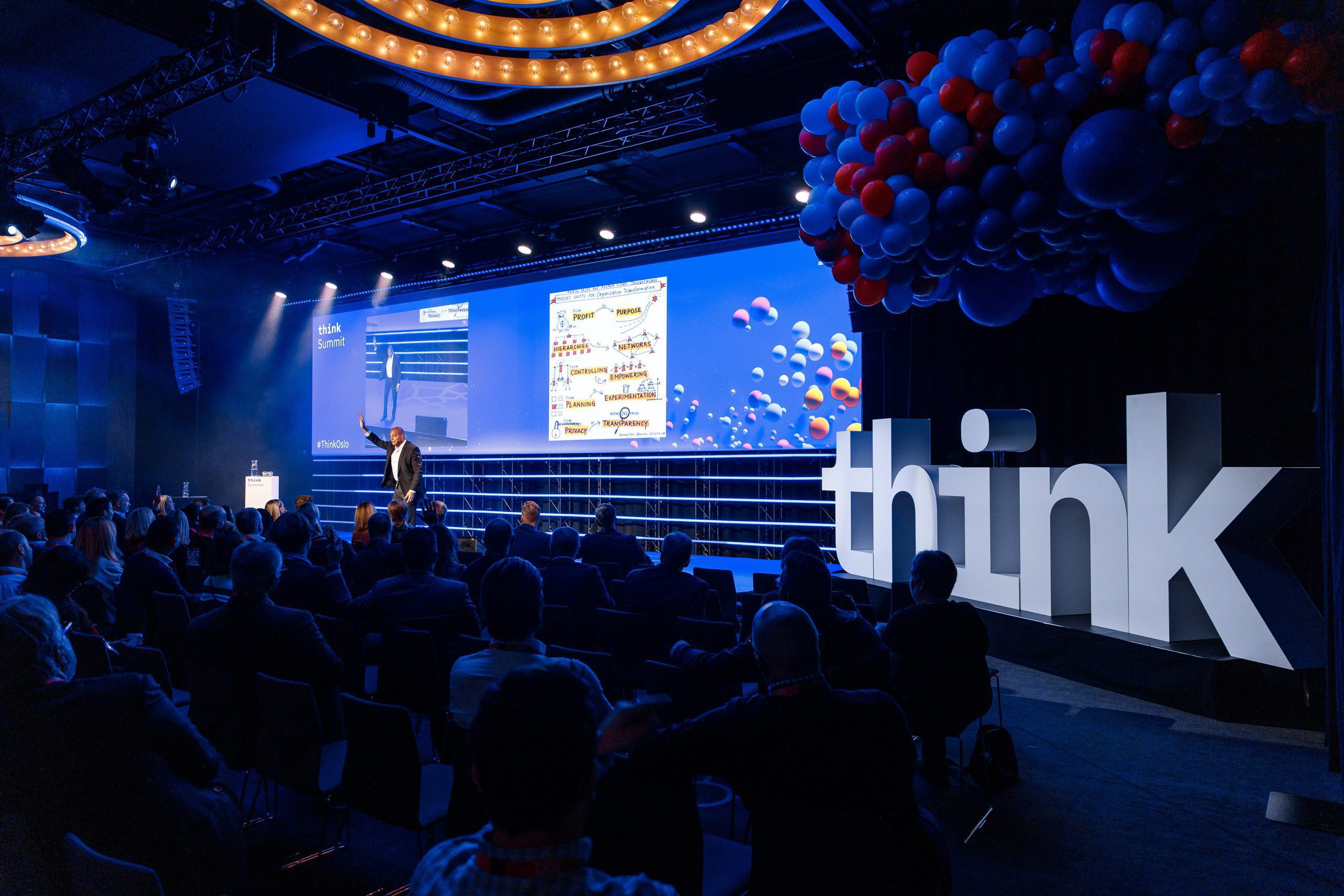
Cross-reference claimed speaking experience through client websites, event programs, and industry publications. Quality speakers maintain detailed presentation histories with specific venue names, audience sizes, and event types. Thomas F. Anglero’s documented presentations spanning EU government meetings to 1,100+ attendee conferences provide the type of verifiable experience that demonstrates proven capability across diverse event formats.
Research published work, including books, articles, patents, or media appearances that support claimed expertise areas. Published authors like Thomas F. Anglero, who wrote “Intro to AI and How to Benefit from It” and holds technology patents, offer audiences insights grounded in documented knowledge rather than theoretical claims.
Client Reference Evaluation Strategy
Request specific client references from the last 12-18 months rather than accepting generic testimonial collections. Contact references directly to discuss punctuality, content quality, audience engagement levels, and post-presentation feedback. Ask specific questions about customization efforts, technical requirements, and overall professionalism throughout the booking process.
Evaluate reference diversity across industries, audience types, and event formats to assess speaker adaptability. Speakers who excel with government officials may struggle with sales teams, while technical experts might overwhelm general business audiences. Thomas F. Anglero’s success across corporate executives (TechnipFMC), government officials (EU meetings), and technical audiences (IBM conferences) demonstrates the versatility that premium speakers should possess.
Inquire about specific outcomes or behavioral changes resulting from presentations. Quality speakers should generate measurable impact beyond general audience satisfaction, including initiative launches, strategy changes, or implementation activities inspired by presentation content.
Presentation Quality Assessment
Request unedited video footage from recent presentations rather than accepting heavily produced highlight reels. Continuous presentation footage reveals natural speaking ability, audience interaction skills, and content organization capabilities that edited videos can mask.
Evaluate storytelling ability and complex concept explanation during screening conversations. Ask speakers to briefly explain their core expertise area in terms accessible to non-experts. Digital transformation speakers and AI keynote speakers should easily translate technical concepts into business-relevant insights without excessive jargon.
Assess energy levels and presentation style compatibility with your audience expectations. High-energy innovation speakers may overwhelm conservative industries, while academic presentation styles might fail to engage action-oriented teams.
Red Flag Identification
Several warning signs indicate potential speaker performance issues. Reluctance to provide recent client contact information suggests possible presentation quality problems or difficult working relationships. Vague responses about content customization indicate speakers who rely on generic presentations rather than audience-specific value creation.
Excessive focus on credentials without demonstrating engagement skills often signals speakers who struggle with audience connection. Quality speakers like Thomas F. Anglero easily balance credential presentation with audience interaction examples and specific customization strategies.
Poor communication during the booking process frequently predicts stage performance issues. Professional speakers maintain responsive communication, provide clear technical requirements, and demonstrate flexibility regarding content adaptation requests.
Technology and Innovation Speaker Verification
For AI keynote speakers and digital transformation experts, verify current industry involvement through recent projects, client work, or ongoing technology leadership roles. Thomas F. Anglero’s current position as CEO of Too Easy AS, combined with his technology patent portfolio, demonstrates active engagement with innovation rather than historical expertise alone.
Check for recent media appearances, conference participation, or industry recognition that indicates ongoing thought leadership. Speakers who remain current with rapid technology advancement provide audiences with relevant insights rather than outdated information.
Evaluate understanding of practical implementation challenges rather than just theoretical knowledge. Premium innovation speakers should easily discuss common obstacles, budget considerations, and change management strategies based on actual project experience.
Final Verification Steps
Conduct brief video calls to assess communication skills, professionalism, and genuine expertise depth. Quality speakers welcome detailed discussions about audience needs, content customization, and expected outcomes. They should ask thoughtful questions about your organization and event objectives.
Verify claimed credentials through professional associations, industry databases, or former employer verification when possible. For corporate executives like Thomas F. Anglero with documented IBM and Cognizant leadership roles, basic verification confirms claimed experience accuracy.
Review online presence for consistency across platforms, recent content creation, and professional image maintenance. Quality speakers maintain updated websites, active social media engagement, and current thought leadership content that supports their claimed expertise areas.
How to Vet Professional Speakers (Undocumented Secrets from Thomas Anglero)
When first speaking with a speaker, does he or she make you immediately feel welcoming? Do they have an aura to them? Do they have a charm or charisma that can not be described but is magnetic? How are their soft skills?
The best speaker have mastered these qualities become they come from an inner self confidence and years of experience of working on themselves. Being a professional speaker is an art form. If you are talking to a speaker that does not respect it from that perspective, you are risking hiring someone who will monologue or PowerPoint your audience to boredom.
Quick tip: How to Vet Professional Speakers: If you close your eyes as they talk the first time you speak with them, do you feel comfortable or awkward? Go with your gut feelings. It is usually never wrong.